As a thirty something woman I am finding I now have the confidence to feel comfortable embracing both the native, and non-native side of my heritage. I find both backgrounds showcase the best of me. The Scottish and Native sides are amazing, vibrant, strong cultures and by extension people.
I am comfortable entering a boardroom and negotiating with a bunch of suits, and I am comfortable pulling out my button blanket and dancing in the big house.
This did not happen over night, and I have had to face much discrimination from both sides. Growing up I was to white looking to fit in on the Rez, and in school I was informed that being 'slow' was what happens when your native. Of course the fact I wasn't slow and a good student did nothing to dispel this 'slow native' image teachers and administrators saw.
As a parent, I want to protect my daughter from what I went through, but I also want her to have the strength of character to fight the stupid people out there. If I could somehow give her the confidence I have now, without the troubles I would be happy.
I feel some days that I am still raising myself, so I worry about how skilled I am at raising her.
When I was at university, I was taken out of my classes I signed up for an put into "library skills", "English for non-English speaker" etc. I have an IQ of 136, and was on the honour roll in public school. When I went to get this 'oversight' fixed, the registrar clerk very sweetly, and with great sympathy, patted my arm and said "It's not your fault hon, your whole race is slow".
As a teenager this was shocking, and horrific to face. I think about how I would react to someone saying this to my daughter, and I wonder if I should start a savings account to be able to post my own bail.
I wonder how we raise our children to be stronger then ourselves, and still protect or train them to deal with the horrors?
Thursday, August 19, 2010

Sunday, August 15, 2010
Parental Ponderings
So a lot of my time lately has been spent on trying to raise my daughter, thinking about raising my daughter, worrying about raising my daughter.
I am lucky enough to have a beautiful, intelligent, amazing young woman whom I love so much, and am daily thankful for the opportunity to help raise her.
But, have you ever stopped to wonder how its going. There is so much we need to teach our kids, so they can make smart choices, make their beds, make their lives, and we have to give them tools.
Tonight though, I was wondering, when do we teach them to jump? That sometimes its okay to make the stupid choice, to follow that boy to Europe, or spend all your money on a painting or trip instead of on your bills. Yes, we have to teach them the responsibility. But there is so much more then that.
I want my daughter to not be afraid of the world, I want her to embrace it, and see it all, taste life.
Its amazing how much becoming a parent changes you. I have a good life, I want her to have a great life.
I am lucky enough to have a beautiful, intelligent, amazing young woman whom I love so much, and am daily thankful for the opportunity to help raise her.
But, have you ever stopped to wonder how its going. There is so much we need to teach our kids, so they can make smart choices, make their beds, make their lives, and we have to give them tools.
Tonight though, I was wondering, when do we teach them to jump? That sometimes its okay to make the stupid choice, to follow that boy to Europe, or spend all your money on a painting or trip instead of on your bills. Yes, we have to teach them the responsibility. But there is so much more then that.
I want my daughter to not be afraid of the world, I want her to embrace it, and see it all, taste life.
Its amazing how much becoming a parent changes you. I have a good life, I want her to have a great life.
Monday, March 22, 2010
State of emergency declared in 10 First Nations in Manitoba
With winter wanning across the country, Manitoba's northren Indigenous population is calling for help.
Winter roads that include driving across frozen lakes have be shut down much earlier this year. These winter roads provide drivable access to otherwise cut off reservations. Large semi-trucks bring in the years worth of supply during the short months the roads are open. Fuel, water, food are all now in short and rapidly diminishing supply.
The government is trying to coordinate air drops of supplies to these ten reserves, but will it be enough?
With global warming becoming more evident each year, how do we work to prevent this from happening next year?
visit cbc.ca/aboriginal for more information about this situtation
Winter roads that include driving across frozen lakes have be shut down much earlier this year. These winter roads provide drivable access to otherwise cut off reservations. Large semi-trucks bring in the years worth of supply during the short months the roads are open. Fuel, water, food are all now in short and rapidly diminishing supply.
The government is trying to coordinate air drops of supplies to these ten reserves, but will it be enough?
With global warming becoming more evident each year, how do we work to prevent this from happening next year?
visit cbc.ca/aboriginal for more information about this situtation
BC Government Indigenous Internships for Youth
Below is a notice I received for the 2010/2011 Indigenous Internships with the BC Government. I firmly believe the best way to fight government is to learn how it works from within. Find the pieces that need to be fixed, and fix them. A nine month job within the BC government would enable people to see how government works. Most people in the government are there to do good, but sometimes they need to be shaken up a little.
I think an influx of Indigenous youth would be a great thing to see in the BC provincial Government.
---------------------------------------------
BC’s Public Service’s
Aboriginal Youth Internship Program
CALL FOR INTERN APPLICATIONS IS OPEN!
Our Intern Job Posting is now up for the Aboriginal Youth Internship Program, 2010/11 program year. Deadline to apply is Friday, May 14, 2010.
The Aboriginal Youth Internship program offers an innovative, 12 month paid internship program ($1,564.13 Bi-weekly) that is culturally responsive and supported. Successful candidates will work for 9 months in a government Ministry followed by 3 months in a selected Aboriginal organization. Program starts September 07, 2010 and runs to August 26, 2011.
As an Aboriginal Youth Intern, you will learn many aspects of public service and provincial government processes, participate in workshops/events across the province, develop your leadership and professional skills, develop strong research & cohort bonds, and create a path for your future career development. You will also have an opportunity to help build the New Relationship and make positive differences for Aboriginal people and communities across the province.
Some of the exciting areas you may be working in include: Ministry specific Aboriginal projects and work assignments; program development; policy analysis and development; youth engagement; Aboriginal community liaison; event and conference coordination; project management; communications; community needs assessment; framework and strategy development, etc. You will also learn about provincial government political, legislative, and budget processes. We have a variety of placements available in several Ministries across the province.
We're looking for youth who communicate well, have strong writing and research skills, embrace learning opportunities, enjoy new challenges and are engaged in their Aboriginal, youth or academic communities.
To apply for the program, you must be:
--Aboriginal (First Nations, Métis, Inuit)
--29 years of age or under as of September 7, 2010
--Residing in BC
You must also have:
--A minimum of grade 12 with some post-secondary education or equivalent work, life and education experience;
--Leadership aptitude or experience, either through work or volunteering; and
--Good knowledge of Aboriginal governments/organizations and the Aboriginal population that you represent (i.e. First Nations Summit, Union of BC Indian Chiefs, Métis Nation BC, BC Association of Aboriginal Friendship Centres, others).
PROCESS FOR APPLYING
1. Go to our program website for an overview of the program: http://employment.gov.bc.ca/index.php?p=Aboriginal_Youth_Internship_Program&rLoad=1
2. Once you review, go to the job posting: http://www.employment.gov.bc.ca/index.php?view_posting=OU000682
3. Click on the link that says: Apply for this job.
4. Fill in the online form.
5. Submit your resume and cover letter electronically. In your cover letter, state your three top Ministries of interest (list available on the site).
6. Submit your two Letter of Reference Forms (Fax to Amanda Horncastle at 250-387-0749)
DEADLINE TO APPLY: Friday, May 14, 2010.
If you have questions about the program, please contact me or Allison Beardsworth, Program Coordinator at 250-356-7949.
If you have questions about the applications process, please contact Amanda Horncastle, Program Administrator, at 250-387-0460. Please note Amanda is away until Friday, March 26.
I also want to encourage all eligible Aboriginal youth to apply. Each year is a new year, and we have more placements available across the province that will meet more youth's specific qualifications, interests, skill sets, and career choices!
Join our great crew for year 4!
Sasha
Sasha Hobbs, MA, Program Lead, Aboriginal Youth Internship Program
The Learning Centre | Talent Management Division | BC Public Service Agency
Third Floor, 810 Blanshard St. | Victoria, BC | V8W 2H2 | Blackberry 604-765-3193
http://employment.gov.bc.ca/?p=Aboriginal_Youth_Internship_Program
I think an influx of Indigenous youth would be a great thing to see in the BC provincial Government.
---------------------------------------------
BC’s Public Service’s
Aboriginal Youth Internship Program
CALL FOR INTERN APPLICATIONS IS OPEN!
Our Intern Job Posting is now up for the Aboriginal Youth Internship Program, 2010/11 program year. Deadline to apply is Friday, May 14, 2010.
The Aboriginal Youth Internship program offers an innovative, 12 month paid internship program ($1,564.13 Bi-weekly) that is culturally responsive and supported. Successful candidates will work for 9 months in a government Ministry followed by 3 months in a selected Aboriginal organization. Program starts September 07, 2010 and runs to August 26, 2011.
As an Aboriginal Youth Intern, you will learn many aspects of public service and provincial government processes, participate in workshops/events across the province, develop your leadership and professional skills, develop strong research & cohort bonds, and create a path for your future career development. You will also have an opportunity to help build the New Relationship and make positive differences for Aboriginal people and communities across the province.
Some of the exciting areas you may be working in include: Ministry specific Aboriginal projects and work assignments; program development; policy analysis and development; youth engagement; Aboriginal community liaison; event and conference coordination; project management; communications; community needs assessment; framework and strategy development, etc. You will also learn about provincial government political, legislative, and budget processes. We have a variety of placements available in several Ministries across the province.
We're looking for youth who communicate well, have strong writing and research skills, embrace learning opportunities, enjoy new challenges and are engaged in their Aboriginal, youth or academic communities.
To apply for the program, you must be:
--Aboriginal (First Nations, Métis, Inuit)
--29 years of age or under as of September 7, 2010
--Residing in BC
You must also have:
--A minimum of grade 12 with some post-secondary education or equivalent work, life and education experience;
--Leadership aptitude or experience, either through work or volunteering; and
--Good knowledge of Aboriginal governments/organizations and the Aboriginal population that you represent (i.e. First Nations Summit, Union of BC Indian Chiefs, Métis Nation BC, BC Association of Aboriginal Friendship Centres, others).
PROCESS FOR APPLYING
1. Go to our program website for an overview of the program: http://employment.gov.bc.ca/index.php?p=Aboriginal_Youth_Internship_Program&rLoad=1
2. Once you review, go to the job posting: http://www.employment.gov.bc.ca/index.php?view_posting=OU000682
3. Click on the link that says: Apply for this job.
4. Fill in the online form.
5. Submit your resume and cover letter electronically. In your cover letter, state your three top Ministries of interest (list available on the site).
6. Submit your two Letter of Reference Forms (Fax to Amanda Horncastle at 250-387-0749)
DEADLINE TO APPLY: Friday, May 14, 2010.
If you have questions about the program, please contact me or Allison Beardsworth, Program Coordinator at 250-356-7949.
If you have questions about the applications process, please contact Amanda Horncastle, Program Administrator, at 250-387-0460. Please note Amanda is away until Friday, March 26.
I also want to encourage all eligible Aboriginal youth to apply. Each year is a new year, and we have more placements available across the province that will meet more youth's specific qualifications, interests, skill sets, and career choices!
Join our great crew for year 4!
Sasha
Sasha Hobbs, MA, Program Lead, Aboriginal Youth Internship Program
The Learning Centre | Talent Management Division | BC Public Service Agency
Third Floor, 810 Blanshard St. | Victoria, BC | V8W 2H2 | Blackberry 604-765-3193
http://employment.gov.bc.ca/?p=Aboriginal_Youth_Internship_Program
Tuesday, December 29, 2009
Fostering Native Children - Boardrooms & Big houses
I hope soon to be fostering children of native ancestory. Whether they are mixed blood like me, or full blooded, I look forward to the opportunity to help raise the next generation. Some friends asked of me what my goal was, what type of child I hope to raise. This is my reply:
------
If I have daughters I want them to be comfortable at the Potlatch and at the Ballet, I want them to be girly and strong, honouring and outspoken. If i have sons I want them to be strong, and know that it has nothing to do with muscles. I want them to be comfortable drumming their drums, and drumming their own paths. I want my kids no matter their sex to be happy being florists, firefighters, physicists, and everything in between.
I believe we as new parents have a different path then the parents that came before. We are the mixed blood kids, having mixed world kids and the generations before us were able to pick a world and live in it, but we need to be able to live, and each our kids to live, in all the worlds out there right now. Boardrooms & Big houses.
Boardrooms & Big houses these are the worlds we need to be strong in now. My kids, whomever they may be, I will teach you what I know, and I will be honoured to learn from you and with you, all we do not yet know.
------
If I have daughters I want them to be comfortable at the Potlatch and at the Ballet, I want them to be girly and strong, honouring and outspoken. If i have sons I want them to be strong, and know that it has nothing to do with muscles. I want them to be comfortable drumming their drums, and drumming their own paths. I want my kids no matter their sex to be happy being florists, firefighters, physicists, and everything in between.
I believe we as new parents have a different path then the parents that came before. We are the mixed blood kids, having mixed world kids and the generations before us were able to pick a world and live in it, but we need to be able to live, and each our kids to live, in all the worlds out there right now. Boardrooms & Big houses.
Boardrooms & Big houses these are the worlds we need to be strong in now. My kids, whomever they may be, I will teach you what I know, and I will be honoured to learn from you and with you, all we do not yet know.
We will dance when our laws command us to dance
“We want to know whether you have come to stop our dances and feasts, as the missionaries and agents who live among our neighbors try to do. We do not want to have anyone here who will interfere with our customs. We were told that a man-of-war would come if we should continue to do as our grandfathers and great-grandfathers have done. But we do not mind such words. Is this the white man’s land? We are told it is the Queen’s land, but no! It is mine.
Where was the Queen when our God gave this land to my grandfather and told him, “This will be thine?” My father owned the land and was a mighty Chief; now it is mine. And when your man-of-war comes, let him destroy our houses. Do you see yon trees? Do you see yon woods? We shall cut them down and build new houses and live as our fathers did.
We will dance when our laws command us to dance, and we will feast when our hearts desire to feast. Do we ask the white man, “Do as the Indian does?” It is a strict law that bids us dance. It is a strict law that bids us distribute our property among our friends and neighbors. It is a good law. Let the white man observe his law; we shall observe ours. And now, if you come to forbid us dance, be gone. If not, you will be welcome to us.
- - O’wax̱a̱laga̱lis Chief of the Kwagu'ł “Fort Rupert Tribes”, to Franz Boas, October 7, 1886
Wednesday, November 25, 2009
Tuesday, November 24, 2009
1 in 4 Native kids growing up in Poverty
"Today for the first time in history, the largest group of Americans living in poverty are children. One in five children live in the most abject, dangerous, hopeless, back-breaking, gut-wrenching poverty any of us could imagine. One in five, and they're children. If fidelity to freedom of democracy is the code of our civic religion, then surely the code of our humanity is faithful service to that unwritten commandment that says we shall give our children better than we ourselves received." - West Wing
I am using this quote as an intro to a story that came out yesterday that says 1 in 10 children in Canada are living in poverty. What is also says that 1 in 4 native children are living in poverty. 1 in 4!
www.cbc.ca/canada/manitoba/story/2009/11/24/child-poverty.html
We need to be crying out against this. Writing our government, our band councils, amnesty international, whomever we can that might help fix this. Most importantly, we have to work to fix it ourselves. Our voices count, our vote counts. We are suppose to give our children more then we have. We need to finish school, we need to get jobs that afford us a standard of living that isn't poverty. We need to help our families. We need to expect more of ourselves, we need to be responsible for ourselves, our choices, our people. It isn't all external forces that cause this statistic. External forces are most assuradly a part of it, but not entirely.
How do we change this statistic? How do we ensure our children have better then we ourselves had???
I am using this quote as an intro to a story that came out yesterday that says 1 in 10 children in Canada are living in poverty. What is also says that 1 in 4 native children are living in poverty. 1 in 4!
www.cbc.ca/canada/manitoba/story/2009/11/24/child-poverty.html
We need to be crying out against this. Writing our government, our band councils, amnesty international, whomever we can that might help fix this. Most importantly, we have to work to fix it ourselves. Our voices count, our vote counts. We are suppose to give our children more then we have. We need to finish school, we need to get jobs that afford us a standard of living that isn't poverty. We need to help our families. We need to expect more of ourselves, we need to be responsible for ourselves, our choices, our people. It isn't all external forces that cause this statistic. External forces are most assuradly a part of it, but not entirely.
How do we change this statistic? How do we ensure our children have better then we ourselves had???
Monday, November 23, 2009
CBC Radio - Native Kids in care - Broken promises
Child Welfare - Native Kids
Two decades ago, Canada signed on to the United Nations Convention for the Rights of the Child. It acknowledged that all children have the right to be safe and protected from harm, cared for, nurtured, and heard.
It's a commitment to children that critics say Canada has ignored.
Their case in point. One in ten Canadian children live in poverty and a lot of those children live on reserves. And it's being alleged that those kids do not have the same access to health care, education and other services as children living off reserves.
The Assembly of First Nations and the First Nations Child and Family Caring Society have filed a human rights complaint, saying this is blatant discrimination.
A tribunal had been scheduled to begin hearings into the complaint last week. But those hearings have now been postponed until January 18th, a delay that further frustrates those making the complaint.
Cindy Blackstock is one of them. She is the Executive Director of the First Nations Child and Family Caring Society. She is to be awarded the Economic Justice Fellowship today from The Atkinson Charitable Foundation. She was in Montreal. And Carolyn Buffalo is Chief of the Montana Cree Nation in Hobbema, Alberta and mother of Noah.
We invited Chuck Strahl, the Minister of Indian and Northern Affairs Canada and Janis Tarchuk, Alberta's Minister of Children and Youth Services to appear on the program. They both declined our invitation.
We also invited federal Health Minister Leona Aglukkaq but received no response. Ottawa has responded to the Human Rights complaint by arguing the Tribunal does not have jurisdiction to hear the matter because the federal government is the funder of the services and not the provider. The government will be in Federal Court in January to try and stop the Tribunal.
- Taken from CBC radio website - all rights belong to CBC
http://www.cbc.ca/thecurrent/
Friday, August 08, 2008
A prayer
Oh Great Spirit,
Whose voice I hear in the wind,
Whose breath gives life to the world,
Hear me! I come to you as one of your many children.
I am small and weak.
I need your strength and wisdom.
May I walk in beauty.
Make my eyes behold the red and purple sunset.
Make my hands respect the things that you have made,
And my ears sharp to hear your voice.
Make me wise so that I may know the things
That you have taught your children--
The lessons that you have hidden in every leaf and rock.
Make me strong, not to be superior to my brothers,
but to be able to fight my greatest enemy: myself.
Make me ever ready to come to you with straight eyes,
so that When life fades as the faded sunset
My spirit will come to you without shame.
-John Yellow Lark
Whose voice I hear in the wind,
Whose breath gives life to the world,
Hear me! I come to you as one of your many children.
I am small and weak.
I need your strength and wisdom.
May I walk in beauty.
Make my eyes behold the red and purple sunset.
Make my hands respect the things that you have made,
And my ears sharp to hear your voice.
Make me wise so that I may know the things
That you have taught your children--
The lessons that you have hidden in every leaf and rock.
Make me strong, not to be superior to my brothers,
but to be able to fight my greatest enemy: myself.
Make me ever ready to come to you with straight eyes,
so that When life fades as the faded sunset
My spirit will come to you without shame.
-John Yellow Lark
Thursday, June 12, 2008
Canadian Prime Minister Apologizes to Indians
Prime Minister Harper offers full apology on behalf of Canadians for the Indian Residential Schools system.
11 June 2008
Ottawa, Ontario
The treatment of children in Indian Residential Schools is a sad chapter in our history. For more than a century, Indian Residential Schools separated over 150,000 Aboriginal children from their families and communities.
In the 1870’s, the federal government, partly in order to meet its obligation to educate Aboriginal children, began to play a role in the development and administration of these schools.
Two primary objectives of the Residential Schools system were to remove and isolate children from the influence of their homes, families, traditions and cultures, and to assimilate them into the dominant culture.
These objectives were based on the assumption Aboriginal cultures and spiritual beliefs were inferior and unequal. Indeed, some sought, as it was infamously said, "to kill the Indian in the child". Today, we recognize that this policy of assimilation was wrong, has caused great harm, and has no place in our country.
One hundred and thirty-two federally-supported schools were located in every province and territory, except Newfoundland, New Brunswick and Prince Edward Island. Most schools were operated as "joint ventures" with Anglican, Catholic, Presbyterian or United Churches. The Government of Canada built an educational system in which very young children were often forcibly removed from their homes, often taken far from their communities.
Many were inadequately fed, clothed and housed. All were deprived of the care and nurturing of their parents, grandparents and communities. First Nations, Inuit and Métis languages and cultural practices were prohibited in these schools. Tragically, some of these children died while attending residential schools and others never returned home.
The government now recognizes that the consequences of the Indian Residential Schools policy were profoundly negative and that this policy has had a lasting and damaging impact on Aboriginal culture, heritage and language. While some former students have spoken positively about their experiences at residential schools, these stories are far overshadowed by tragic accounts of the emotional, physical and sexual abuse and neglect of helpless children, and their separation from powerless families and communities.
The legacy of Indian Residential Schools has contributed to social problems that continue to exist in many communities today. It has taken extraordinary courage for the thousands of survivors that have come forward to speak publicly about the abuse they suffered.
It is a testament to their resilience as individuals and to the strength of their cultures. Regrettably, many former students are not with us today and died never having received a full apology from the Government of Canada.
The government recognizes that the absence of an apology has been an impediment to healing and reconciliation. Therefore, on behalf of the Government of Canada and all Canadians, I stand before you, in this Chamber so central to our life as a country, to apologize to Aboriginal peoples for Canada’s role in the Indian Residential Schools system.
To the approximately 80,000 living former students, and all family members and communities, the Government of Canada now recognizes that it was wrong to forcibly remove children from their homes and we apologize for having done this.
We now recognize that it was wrong to separate children from rich and vibrant cultures and traditions that it created a void in many lives and communities, and we apologize for having done this.
We now recognize that, in separating children from their families, we undermined the ability of many to adequately parent their own children and sowed the seeds for generations to follow, and we apologize for having done this.
We now recognize that, far too often, these institutions gave rise to abuse or neglect and were inadequately controlled, and we apologize for failing to protect you. Not only did you suffer these abuses as children, but as you became parents, you were powerless to protect your own children from suffering the same experience, and for this we are sorry.
The burden of this experience has been on your shoulders for far too long. The burden is properly ours as a Government, and as a country. There is no place in Canada for the attitudes that inspired the Indian Residential Schools system to ever prevail again. You have been working on recovering from this experience for a long time and in a very real sense, we are now joining you on this journey.
The Government of Canada sincerely apologizes and asks the forgiveness of the Aboriginal peoples of this country for failing them so profoundly.
We are sorry.
In moving towards healing, reconciliation and resolution of the sad legacy of Indian Residential Schools, implementation of the Indian Residential Schools Settlement Agreement began on September 19, 2007. Years of work by survivors, communities, and Aboriginal organizations culminated in an agreement that gives us a new beginning and an opportunity to move forward together in partnership. A cornerstone of the Settlement Agreement is the Indian Residential Schools Truth and Reconciliation Commission.
This Commission presents a unique opportunity to educate all Canadians on the Indian Residential Schools system. It will be a positive step in forging a new relationship between Aboriginal peoples and other Canadians, a relationship based on the knowledge of our shared history, a respect for each other and a desire to move forward together with a renewed understanding that strong families, strong communities and vibrant cultures and traditions will contribute to a stronger Canada for all of us.
11 June 2008
Ottawa, Ontario
The treatment of children in Indian Residential Schools is a sad chapter in our history. For more than a century, Indian Residential Schools separated over 150,000 Aboriginal children from their families and communities.
In the 1870’s, the federal government, partly in order to meet its obligation to educate Aboriginal children, began to play a role in the development and administration of these schools.
Two primary objectives of the Residential Schools system were to remove and isolate children from the influence of their homes, families, traditions and cultures, and to assimilate them into the dominant culture.
These objectives were based on the assumption Aboriginal cultures and spiritual beliefs were inferior and unequal. Indeed, some sought, as it was infamously said, "to kill the Indian in the child". Today, we recognize that this policy of assimilation was wrong, has caused great harm, and has no place in our country.
One hundred and thirty-two federally-supported schools were located in every province and territory, except Newfoundland, New Brunswick and Prince Edward Island. Most schools were operated as "joint ventures" with Anglican, Catholic, Presbyterian or United Churches. The Government of Canada built an educational system in which very young children were often forcibly removed from their homes, often taken far from their communities.
Many were inadequately fed, clothed and housed. All were deprived of the care and nurturing of their parents, grandparents and communities. First Nations, Inuit and Métis languages and cultural practices were prohibited in these schools. Tragically, some of these children died while attending residential schools and others never returned home.
The government now recognizes that the consequences of the Indian Residential Schools policy were profoundly negative and that this policy has had a lasting and damaging impact on Aboriginal culture, heritage and language. While some former students have spoken positively about their experiences at residential schools, these stories are far overshadowed by tragic accounts of the emotional, physical and sexual abuse and neglect of helpless children, and their separation from powerless families and communities.
The legacy of Indian Residential Schools has contributed to social problems that continue to exist in many communities today. It has taken extraordinary courage for the thousands of survivors that have come forward to speak publicly about the abuse they suffered.
It is a testament to their resilience as individuals and to the strength of their cultures. Regrettably, many former students are not with us today and died never having received a full apology from the Government of Canada.
The government recognizes that the absence of an apology has been an impediment to healing and reconciliation. Therefore, on behalf of the Government of Canada and all Canadians, I stand before you, in this Chamber so central to our life as a country, to apologize to Aboriginal peoples for Canada’s role in the Indian Residential Schools system.
To the approximately 80,000 living former students, and all family members and communities, the Government of Canada now recognizes that it was wrong to forcibly remove children from their homes and we apologize for having done this.
We now recognize that it was wrong to separate children from rich and vibrant cultures and traditions that it created a void in many lives and communities, and we apologize for having done this.
We now recognize that, in separating children from their families, we undermined the ability of many to adequately parent their own children and sowed the seeds for generations to follow, and we apologize for having done this.
We now recognize that, far too often, these institutions gave rise to abuse or neglect and were inadequately controlled, and we apologize for failing to protect you. Not only did you suffer these abuses as children, but as you became parents, you were powerless to protect your own children from suffering the same experience, and for this we are sorry.
The burden of this experience has been on your shoulders for far too long. The burden is properly ours as a Government, and as a country. There is no place in Canada for the attitudes that inspired the Indian Residential Schools system to ever prevail again. You have been working on recovering from this experience for a long time and in a very real sense, we are now joining you on this journey.
The Government of Canada sincerely apologizes and asks the forgiveness of the Aboriginal peoples of this country for failing them so profoundly.
We are sorry.
In moving towards healing, reconciliation and resolution of the sad legacy of Indian Residential Schools, implementation of the Indian Residential Schools Settlement Agreement began on September 19, 2007. Years of work by survivors, communities, and Aboriginal organizations culminated in an agreement that gives us a new beginning and an opportunity to move forward together in partnership. A cornerstone of the Settlement Agreement is the Indian Residential Schools Truth and Reconciliation Commission.
This Commission presents a unique opportunity to educate all Canadians on the Indian Residential Schools system. It will be a positive step in forging a new relationship between Aboriginal peoples and other Canadians, a relationship based on the knowledge of our shared history, a respect for each other and a desire to move forward together with a renewed understanding that strong families, strong communities and vibrant cultures and traditions will contribute to a stronger Canada for all of us.
Saturday, January 13, 2007

Sunday, January 07, 2007
300 reasons not to forget lessons of Wounded Knee
By TIM GIAGO (NANWICA KCIJI)
While Americans agonize over the contents of the Iraq Study Group report and weigh the options of extricating U.S. soldiers from the middle of a civil war, the people of the Pine Ridge Reservation in South Dakota will gather on a lonely hill overlooking the demolished village of Wounded Knee -- destroyed during the occupation of the American Indian Movement in 1973 and never rebuilt -- to commemorate and grieve the massacre of their ancestors.
It was after a night so cold that the Lakota called it "The Moon of the Popping Trees," because as the winter winds whistled through the hills and gullies at Wounded Knee Creek on the morning of Dec. 29, 1890, one could hear the twigs snapping in the frigid air.
When a soldier of George Armstrong Custer's former troop, the 7th Cavalry, tried to wrest a hidden rifle from a deaf Lakota warrior after all of the other weapons had already been confiscated from Sitanka's (Big Foot) band of Lakota people, the deafening report of that single shot caused pandemonium among the soldiers and they opened up with their Hotchkiss machine guns upon the unarmed men, women and children.
Thus began an action the government called a "battle" and the Lakota people called a "massacre." The Lakota people say that only 50 people of the original 350 followers of Sitanka survived that morning of slaughter.
One of the survivors, a Lakota woman, was treated by the Indian physician Dr. Charles Eastman at a makeshift hospital in a church in the village of Pine Ridge. Before she died of her wounds, she told about how she had concealed herself in a clump of bushes. As she hid there she saw two terrified little girls running past. She grabbed them and pulled them into the bushes.
She put her hands over their mouths to keep them quiet, but a mounted soldier spotted them. He fired a bullet into the head of one girl, then calmly reloaded his rifle and fired into the head of the other girl. He then fired into the body of the Lakota woman. She feigned death and, although badly wounded, lived long enough to relate her terrible ordeal to Dr. Eastman. She said that as she lay there pretending to be dead, the soldier leaned down from his horse, used his rifle to lift up her dress in order to see her private parts, then snickered and rode off.
As the shooting subsided, units of the 7th Cavalry rode off toward White Clay Creek near Pine Ridge Village on a search-and-destroy mission. When they rode onto the grounds of Holy Rosary Indian Mission, my grandmother Sophie, a student at the mission school, and the other Lakota children, were forced by the Jesuit priests to feed and water their horses.
My grandmother never forgot that terrible day, and she often talked about how the soldiers were laughing and bragging about their great victory. She recalled one soldier saying, "Remember the Little Big Horn."
The Massacre at Wounded Knee was called the last great battle between the United States and the Indians. The true version of the events of that day were polished and sanitized for the consumption of most Americans. Twenty-three soldiers of the 7th Cavalry were awarded this nation's highest honor, the Medal of Honor, for the murder of nearly 300 innocent and unarmed men, women and children.
Although 25 soldiers died that day, historians believe that most of them died of friendly fire when they were caught in the crossfire of the machine guns. Many Lakota have tried in vain to have those medals revoked.
Before they died, the Lakota warriors fought the soldiers with their bare hands as they shouted to the women and children, "Inyanka po, inyanka po! (Run, run)." The elderly men, unable to fight back, fell on their knees and sang their death songs. The screams and the cries of the women and children hung in the air like a heavy fog.
When I was a young boy I lived at Wounded Knee. By then the name of the village had been changed to Brennan to honor a Bureau of Indian Affairs superintendent, but all of the Lakota knew why the name was changed. Because although the government tried various ways to conceal the truth, the Lakota people never forgot; they always referred to the hallowed grounds as Wounded Knee, and they continued to come to the mass grave to pray, even though it was roundly discouraged by the government.
As a child I walked along the banks of Wounded Knee Creek and I often had an uneasy feeling, it was as if I could hear the cries of little children. Whenever I visited the trading post where my father worked I would listen to the elders as they sat on the benches in front of the store and spoke in whispered voices as they pointed at the hills and gullies. Never did I read about that horrible day in the history books used at the mission school I attended.
Two ironies still haunt me. Six days after the bloody massacre the editor of the Aberdeen (S.D.) Saturday Pioneer wrote in his editorial, "The Pioneer has before declared that our only safety depends upon the total extermination of the Indians. Having wronged them for centuries, we had better, in order to protect our civilizations, follow it up by one more wrong and wipe these untamed and untamable creatures from the face of the earth."
The author of that editorial was L. Frank Baum, who later went on to write that famous children's book, The Wonderful Wizard of Oz. In calling for genocide against my grandmother and the rest of the Lakota people, he placed the final punctuation upon a day that will forever live in infamy amongst the Lakota.
And finally, as the dead and dying lay in the makeshift hospital in the Episcopal Church in Pine Ridge Village, Dr. Eastman paused to read the sign above the entrance that read, "Peace on Earth, Goodwill to Men."
----------------------------------------------------------
Tim Giago, an Oglala Lakota, is the founder and first president of the Native American Journalists Association
While Americans agonize over the contents of the Iraq Study Group report and weigh the options of extricating U.S. soldiers from the middle of a civil war, the people of the Pine Ridge Reservation in South Dakota will gather on a lonely hill overlooking the demolished village of Wounded Knee -- destroyed during the occupation of the American Indian Movement in 1973 and never rebuilt -- to commemorate and grieve the massacre of their ancestors.
It was after a night so cold that the Lakota called it "The Moon of the Popping Trees," because as the winter winds whistled through the hills and gullies at Wounded Knee Creek on the morning of Dec. 29, 1890, one could hear the twigs snapping in the frigid air.
When a soldier of George Armstrong Custer's former troop, the 7th Cavalry, tried to wrest a hidden rifle from a deaf Lakota warrior after all of the other weapons had already been confiscated from Sitanka's (Big Foot) band of Lakota people, the deafening report of that single shot caused pandemonium among the soldiers and they opened up with their Hotchkiss machine guns upon the unarmed men, women and children.
Thus began an action the government called a "battle" and the Lakota people called a "massacre." The Lakota people say that only 50 people of the original 350 followers of Sitanka survived that morning of slaughter.
One of the survivors, a Lakota woman, was treated by the Indian physician Dr. Charles Eastman at a makeshift hospital in a church in the village of Pine Ridge. Before she died of her wounds, she told about how she had concealed herself in a clump of bushes. As she hid there she saw two terrified little girls running past. She grabbed them and pulled them into the bushes.
She put her hands over their mouths to keep them quiet, but a mounted soldier spotted them. He fired a bullet into the head of one girl, then calmly reloaded his rifle and fired into the head of the other girl. He then fired into the body of the Lakota woman. She feigned death and, although badly wounded, lived long enough to relate her terrible ordeal to Dr. Eastman. She said that as she lay there pretending to be dead, the soldier leaned down from his horse, used his rifle to lift up her dress in order to see her private parts, then snickered and rode off.
As the shooting subsided, units of the 7th Cavalry rode off toward White Clay Creek near Pine Ridge Village on a search-and-destroy mission. When they rode onto the grounds of Holy Rosary Indian Mission, my grandmother Sophie, a student at the mission school, and the other Lakota children, were forced by the Jesuit priests to feed and water their horses.
My grandmother never forgot that terrible day, and she often talked about how the soldiers were laughing and bragging about their great victory. She recalled one soldier saying, "Remember the Little Big Horn."
The Massacre at Wounded Knee was called the last great battle between the United States and the Indians. The true version of the events of that day were polished and sanitized for the consumption of most Americans. Twenty-three soldiers of the 7th Cavalry were awarded this nation's highest honor, the Medal of Honor, for the murder of nearly 300 innocent and unarmed men, women and children.
Although 25 soldiers died that day, historians believe that most of them died of friendly fire when they were caught in the crossfire of the machine guns. Many Lakota have tried in vain to have those medals revoked.
Before they died, the Lakota warriors fought the soldiers with their bare hands as they shouted to the women and children, "Inyanka po, inyanka po! (Run, run)." The elderly men, unable to fight back, fell on their knees and sang their death songs. The screams and the cries of the women and children hung in the air like a heavy fog.
When I was a young boy I lived at Wounded Knee. By then the name of the village had been changed to Brennan to honor a Bureau of Indian Affairs superintendent, but all of the Lakota knew why the name was changed. Because although the government tried various ways to conceal the truth, the Lakota people never forgot; they always referred to the hallowed grounds as Wounded Knee, and they continued to come to the mass grave to pray, even though it was roundly discouraged by the government.
As a child I walked along the banks of Wounded Knee Creek and I often had an uneasy feeling, it was as if I could hear the cries of little children. Whenever I visited the trading post where my father worked I would listen to the elders as they sat on the benches in front of the store and spoke in whispered voices as they pointed at the hills and gullies. Never did I read about that horrible day in the history books used at the mission school I attended.
Two ironies still haunt me. Six days after the bloody massacre the editor of the Aberdeen (S.D.) Saturday Pioneer wrote in his editorial, "The Pioneer has before declared that our only safety depends upon the total extermination of the Indians. Having wronged them for centuries, we had better, in order to protect our civilizations, follow it up by one more wrong and wipe these untamed and untamable creatures from the face of the earth."
The author of that editorial was L. Frank Baum, who later went on to write that famous children's book, The Wonderful Wizard of Oz. In calling for genocide against my grandmother and the rest of the Lakota people, he placed the final punctuation upon a day that will forever live in infamy amongst the Lakota.
And finally, as the dead and dying lay in the makeshift hospital in the Episcopal Church in Pine Ridge Village, Dr. Eastman paused to read the sign above the entrance that read, "Peace on Earth, Goodwill to Men."
----------------------------------------------------------
Tim Giago, an Oglala Lakota, is the founder and first president of the Native American Journalists Association
Monday, November 27, 2006
Human Rights...... are they actually a privilage?
I have just returned from a four day National Human Rights Convention. It was good, I learned a lot. One of the things I think I learned, is that in truth, Human Rights, aren't Rights, at least not how I understood them. Human Rights, are Rights reserved for a privileged people that believe they own this world. For the rest of us, Human Rights are something we have to fight for, which, then makes it not a Right. Isn't a Right something that just is, something we don't have to fight for and defend with our blood, with our generations?
Is Gitmo, the US's definition of Human Rights in Action? Are fights, and bloodshed on unceded lands of the Six Nations, Oka, Bear Mountain, Pine Ridge, a fight to defend family and land, that doesn't sound like a Right.
The fact that Canada voted AGAINST the UN Declaration of Indigenous Peoples' Rights, I think it says a lot about who Harper believes deserves this "Human Rights"
Is Gitmo, the US's definition of Human Rights in Action? Are fights, and bloodshed on unceded lands of the Six Nations, Oka, Bear Mountain, Pine Ridge, a fight to defend family and land, that doesn't sound like a Right.
The fact that Canada voted AGAINST the UN Declaration of Indigenous Peoples' Rights, I think it says a lot about who Harper believes deserves this "Human Rights"
Tuesday, November 21, 2006
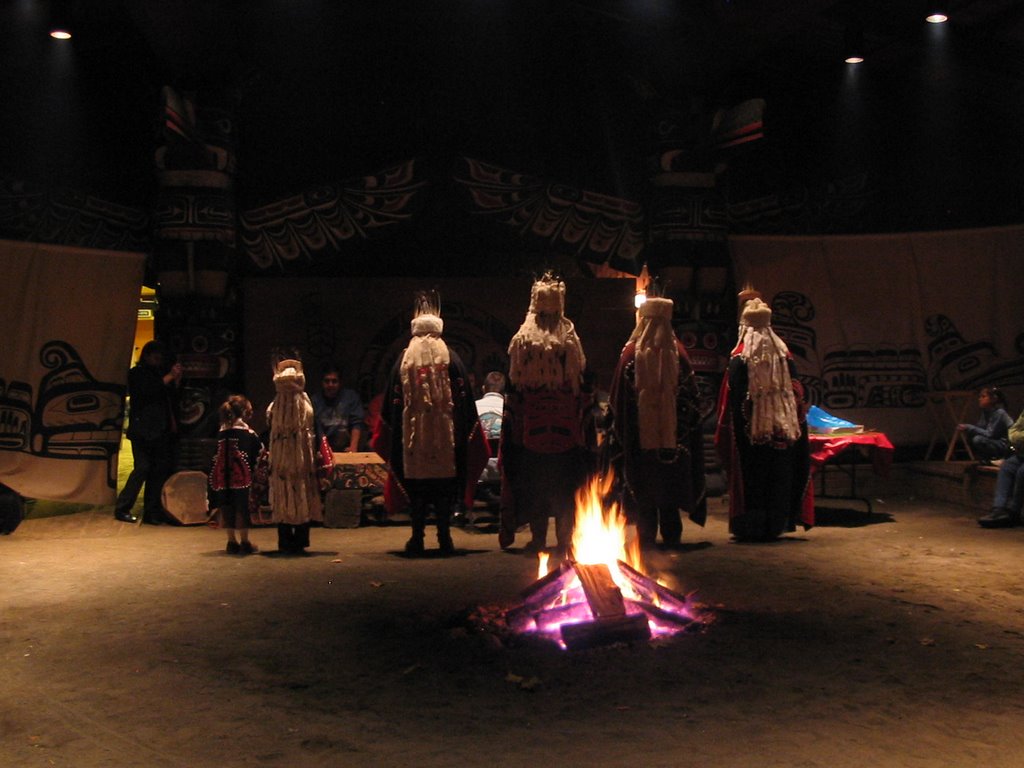
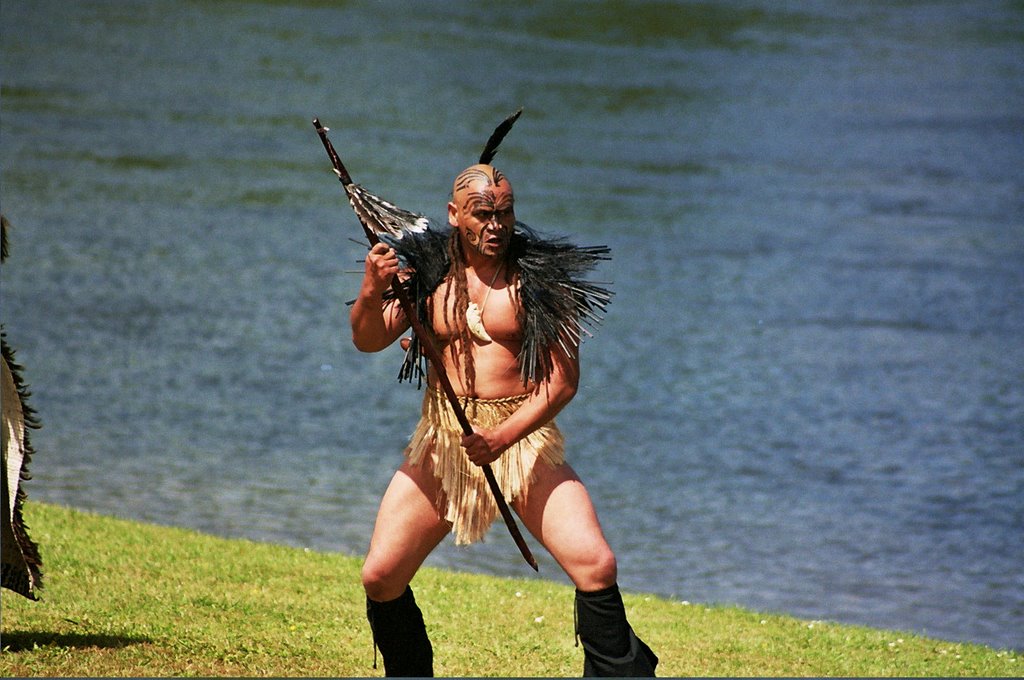
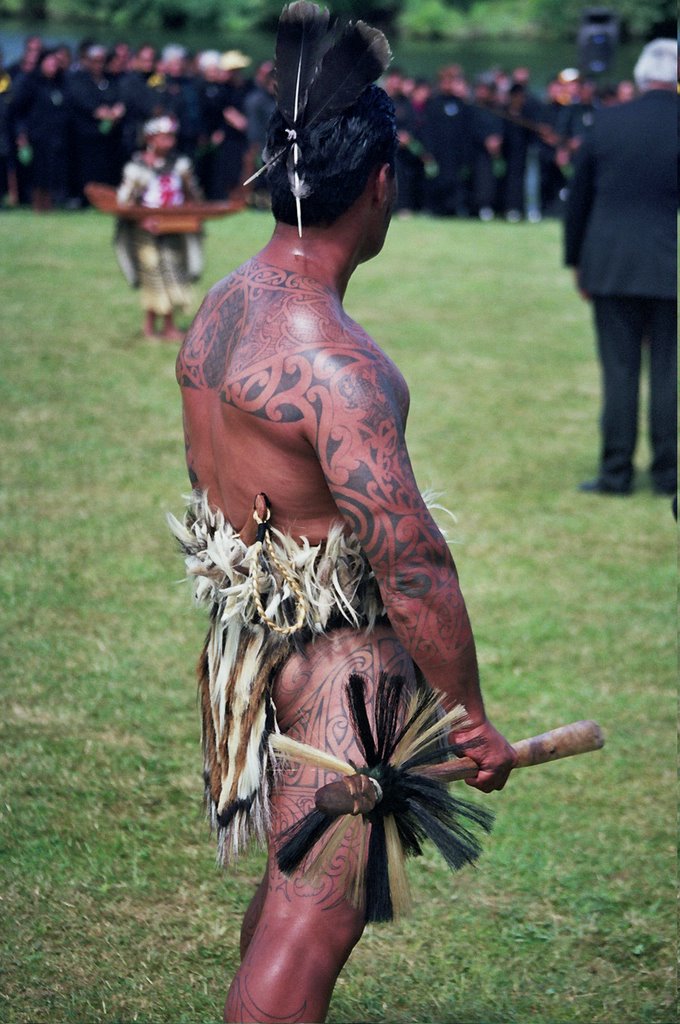
A picture is worth a thousand words
I know I haven't been much with the posts of late. I have put of photo's instead, and I find they still reflect what I am up to, what I'm thinking of lately. I will write more, once I return from the Human Rights Convention.
Monday, November 20, 2006
Friday, November 17, 2006
Thursday, October 26, 2006
Grey's Anatomy - every colour but red
So Grey's Anatomy, one of my favorite shows on TV.
What bothers me with this show, is all the native artwork on the walls of the rooms. Actually that isn't what bothers me, what bothers me is the nice white, black, and asian doctors, the nice variety of colours/ethnicity. How every colour, culture is represented by people, except for First Nations. We get regulated to being the wall art.
What is with that? Why aren't we worth equal?
What bothers me with this show, is all the native artwork on the walls of the rooms. Actually that isn't what bothers me, what bothers me is the nice white, black, and asian doctors, the nice variety of colours/ethnicity. How every colour, culture is represented by people, except for First Nations. We get regulated to being the wall art.
What is with that? Why aren't we worth equal?
Tuesday, October 24, 2006
Ward Churchill speaking at UVic
More information to come, but it looks like Ward Churchill may be speaking at an event at the University of Victoria aimed at honouring Vine Deloria.
Subscribe to:
Posts (Atom)
